emerydeberry95
About emerydeberry95
Six Stunning Examples Of Beautiful Refinance
 There is a version of the housing market story that gets told over and over, and it goes like this: prices are high, rates are high, nothing is affordable, and the only people buying are the ones with cash. That version is not wrong, exactly. It is just incomplete.
Home prices at the national level have remained well above their pre-pandemic levels even as sales volume collapsed. The reason is supply. The locked-in effect has kept available inventory at historically low levels in most markets, which means the correction that many analysts were expecting simply did not materialize the way the data suggested it should.
 Affordability, by the standard measure of what share of median household income goes toward the monthly payment on a median-priced home, is near its worst level since the early 1980s. That is a real problem, and it is not going away quickly. That measure being at a historical extreme does not automatically produce a correction. What it means, practically, is that fewer people can compete for each property.
 Shop multiple loan officers to compare rates and fees. A quarter-point difference in your interest rate adds up to tens of thousands of dollars over the life of most home loans. Lender fees vary too. Do not compare rate quotes without also comparing origination fees, points, and closing costs.
If the report surfaces problems that go well beyond normal wear and tear, you have three options, not one, and walking away is a legitimate one of them. You can ask the seller to repair specific items before closing. The one thing to avoid is accepting everything uncritically because you are afraid of losing the deal.

 Real estate is illiquid. If there is a reasonable chance you will need to move in two years, renting is the financially rational choice. None of that means do not buy. It means be honest about your time horizon before you commit.
 Real estate rewards preparation more than it rewards timing. Waiting for a better market is a reasonable position only if your personal situation supports it, otherwise you are just paying rent while prices hold. Start by browsing current homes for sale and market resources to build a realistic picture of your options.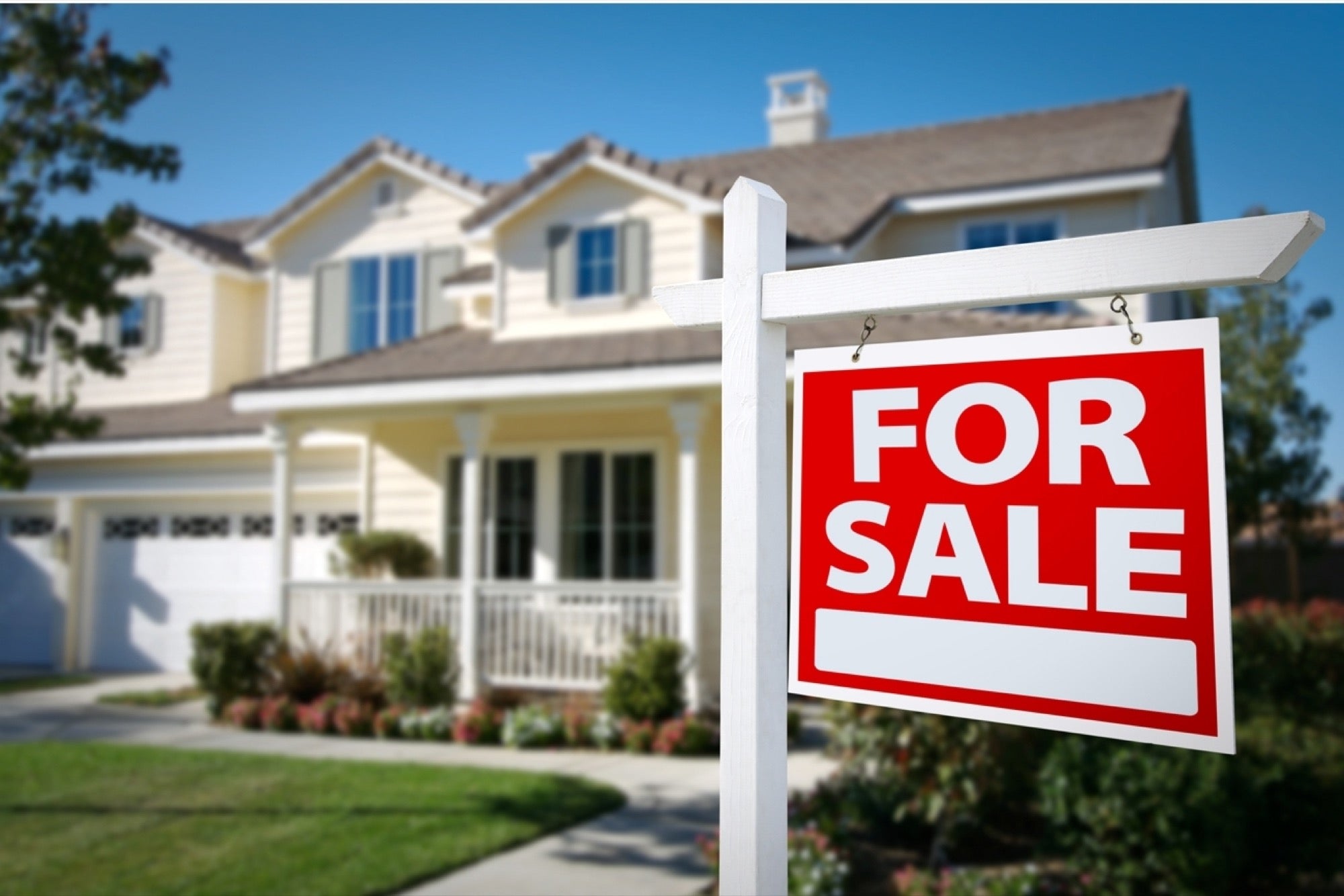
No listing found.