gaviny52425723
About gaviny52425723
Three Tips That Will Make You Guru In Valuation
 The real estate market does not move in one direction nationwide. It never has. What is happening in Austin is not what is happening in Cleveland. What is true for a three-bedroom in the suburbs of Dallas has almost nothing to do with a two-bedroom in San Francisco. Before you do anything else, narrow your focus to the specific market you are shopping in and stop reading national headlines as if they apply to you personally.
 In markets where builders have added meaningful supply in recent years, prices have pulled back. Several Sun Belt metros that boomed during the pandemic have given back a portion of those gains. But those are the exceptions. Most markets are not working from excess; they are working from scarcity.
 Affordability, by the standard measure of what share of median household income goes toward the monthly payment on a median-priced home, is near its worst level since the early 1980s. That is a real problem, and it is not going away quickly. But affordability being stretched does not mean prices are about to fall sharply. What it means, practically, is that the buyer who can close confidently has more leverage than the headline numbers suggest.
 Shop multiple loan officers to compare rates and fees. A quarter-point difference in your interest rate adds up to around twenty thousand dollars over a thirty-year loan on a four hundred thousand dollar mortgage. Lender fees vary too. Do not compare rate quotes without also comparing origination fees, points, and closing costs.
 The appraisal is the lender’s check, not yours. If the home appraises below the contract price, the lender will only finance against the appraised value. Ask your agent whether recent comparable sales support the price you are offering.
Budget two to four percent of the purchase price for closing costs, on top of your down payment. First-time buyers routinely underestimate this number. Ask your lender for a Loan Estimate with a realistic purchase price so the numbers reflect what you are actually going to face.
 The timing question, whether to buy now or wait for prices to pull back, is the one that trips up more buyers than any other single factor. No one consistently times the real estate market. The more useful question is not whether now is the right time in the abstract; it is whether the home works for your actual life for the next five to seven years.
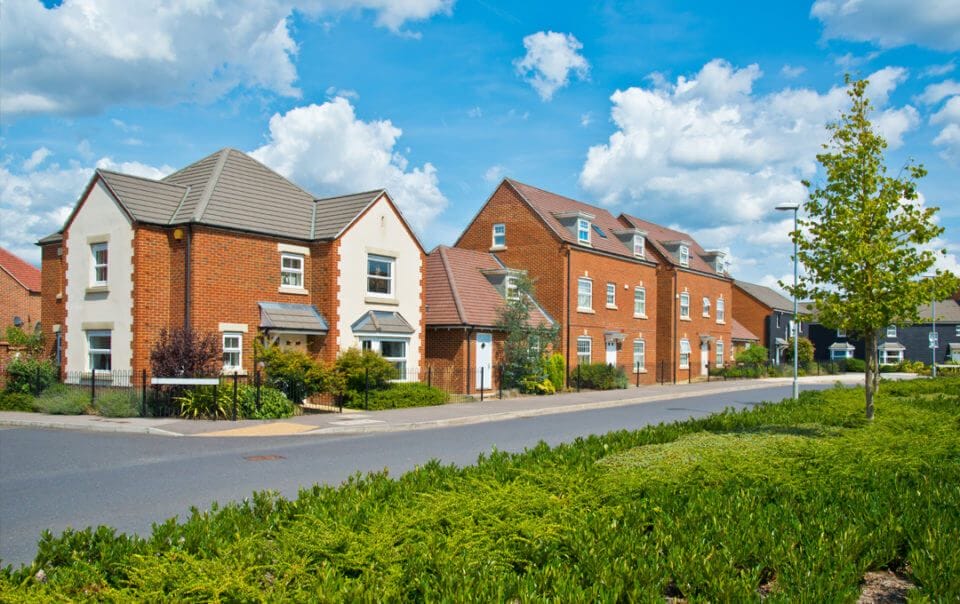 The buyers who come out ahead in this market are not the ones who waited for perfect conditions. They are the ones who treated the purchase like a business decision rather than an emotional one. The most useful thing you can do today is look at homes for sale near you and see whether the numbers work for your situation.
No listing found.